









Logo | Play and Dream Toys UAE

No products in the cart.

Whatsapp At .. Pm | Play and Dream Toys UAE

Best Toys To Improve Problem Solving In Preschoolers

Problem solving is a key skill that preschoolers start building long before they sit down with puzzles or math worksheets. In early childhood, learning to think, experiment, and find solutions helps children become more independent, creative, and confident. When playtime includes toys that challenge them, ask questions, encourage experimentation, and reward discovery, kids get a head start in thinking skills that will serve them throughout life. At Play & Dream, we know that imaginative play and early learning go hand-in-hand. That’s why we choose toys that are fun and offer opportunities to think, test, and solve, helping preschoolers build critical reasoning while enjoying themselves. These toys combine movement, challenge, logic, and imagination in ways that fit perfectly into a growing child’s world.

Top Toys for Building problem solving Skills in Preschoolers

When choosing toys to boost problem solving, look for ones that encourage experimentation, require a child's active participation, and allow for different outcomes. Toys that offer cause-and-effect learning, demands for coordination, or simple puzzles encourage children to analyze, try, fail, and try again, all important steps in thinking logically. At Play & Dream, we look for toys that spark curiosity, invite manipulation, and give a sense of achievement after exploration.
Top Picks: The Best Games for Kids

Ready to explore the most exciting water toys for kids? Here's a list of top picks that will make your summer unforgettable.

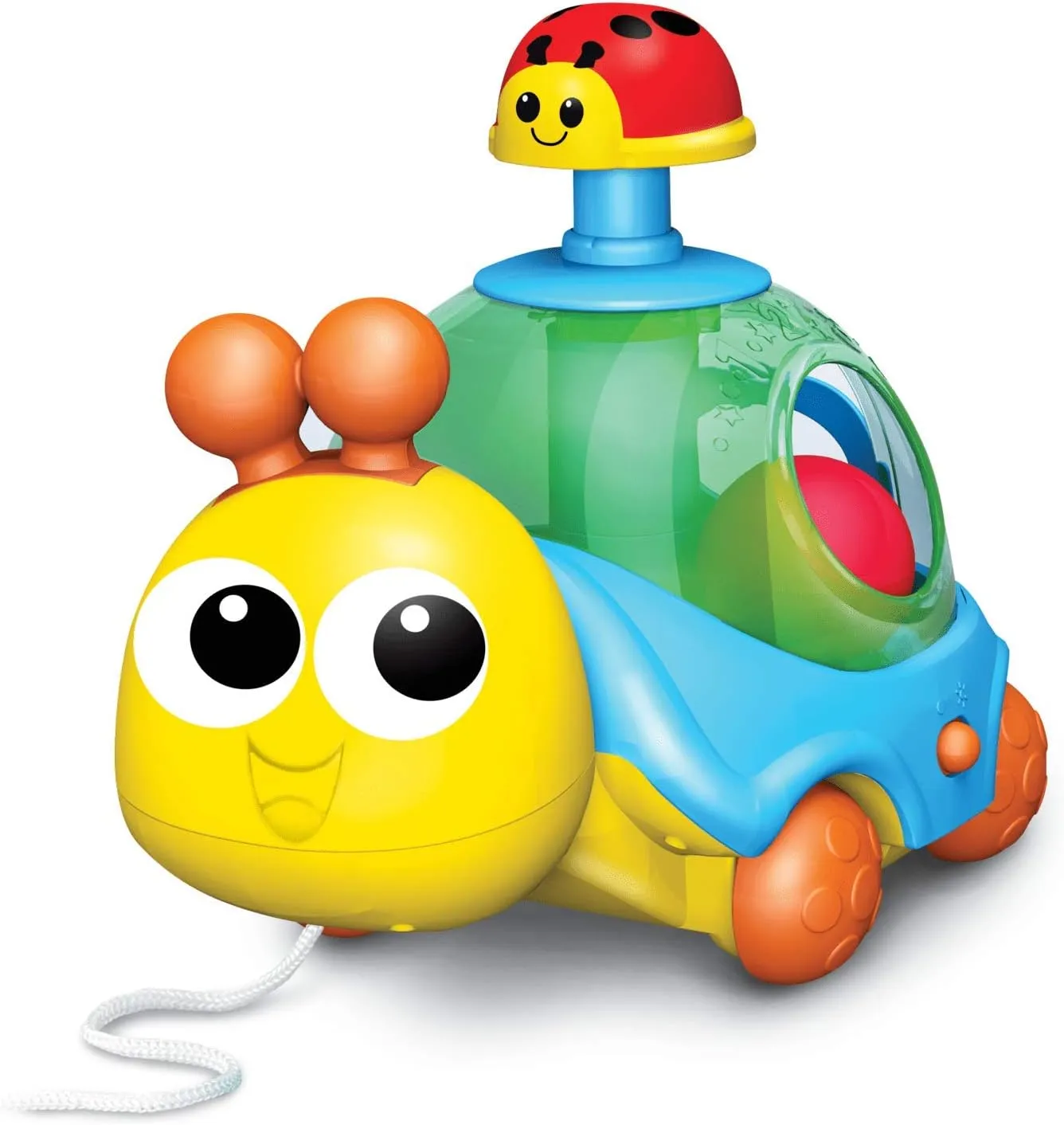
Winfun Spin 'N Pull Snail Toy for Toddlers 12M+

Age: 0-12 months

The Winfun Spin ’N Pull Snail Toy challenges toddlers to pull, spin and follow cause-and-effect motions to make the snail move. As children experiment with the pull-cord and spinning mechanism, they learn how actions lead to results, a basic but powerful step in problem solving development. Figuring out how much to pull or spin and anticipating what happens next builds early reasoning skills and patience. Because the toy responds to the child’s actions, it encourages repeated play and exploration, making it ideal for toddlers transitioning into preschool age

B Ec | Play and Dream Toys UAE
On Offer
Numberblocks 11-20 Activity Set
199 AED 259 AED 23%
Buy Now
Numberblocks 11-20 Activity Set

Age: 3-7 Years

The Numberblocks 11–20 Activity Set helps preschoolers explore numbers, quantities, and basic counting challenges in a playful context. As children match numbers, count blocks, and solve simple tasks, they develop early numerical reasoning, an important branch of problem solving skills. The activity set encourages children to think, compare, and make decisions (“Is this block right?” “How many do I need?”), which promotes logical thinking and early math readiness. Because it’s interactive and varied, this set keeps kids engaged while building foundational reasoning abilities.

WaKPWiL. AC SL | Play and Dream Toys UAE
On Offer
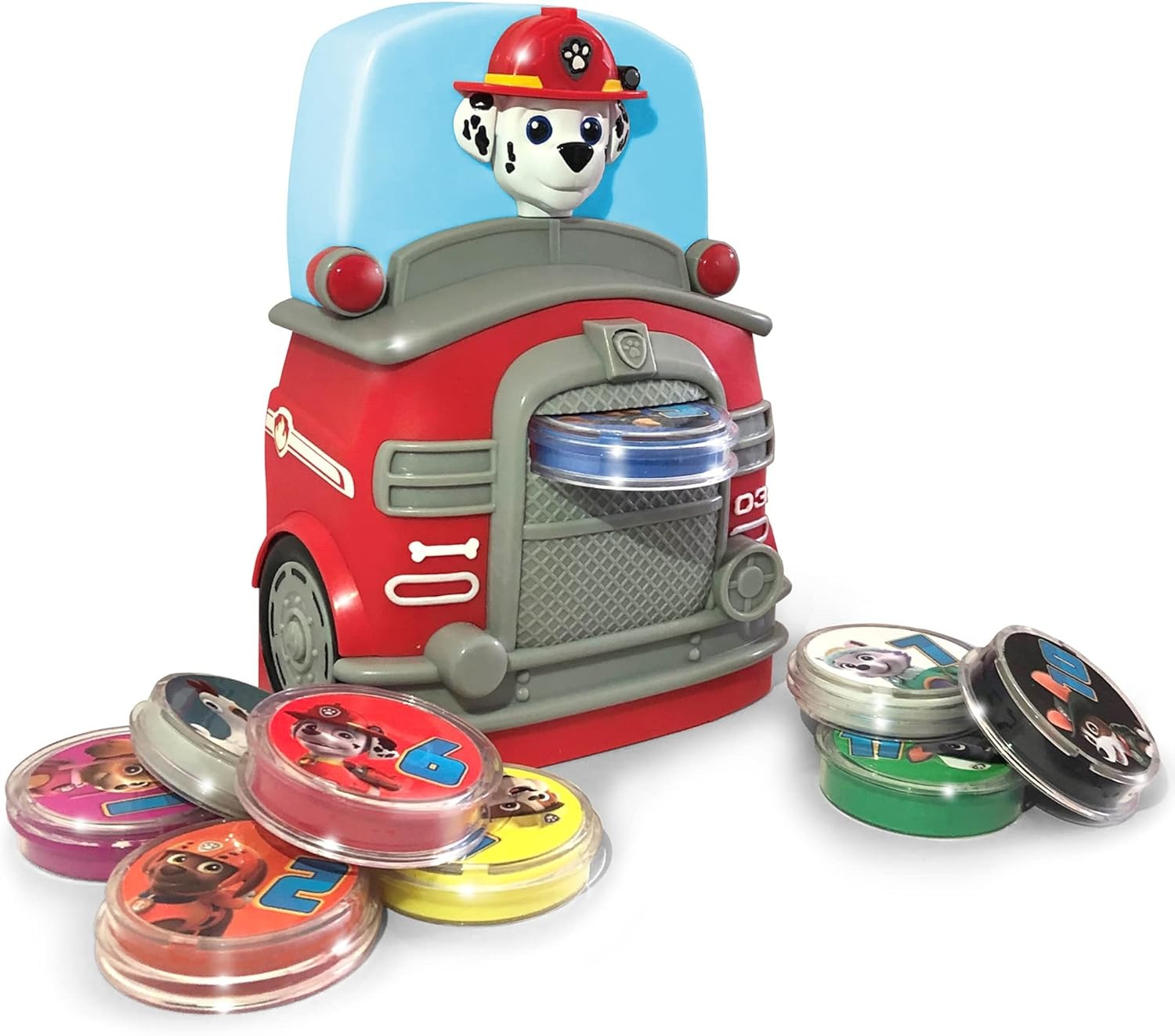
Nickelodeon Paw Patrol Count with Marshall

Age: 3 Year & Above

The Paw Patrol Count With Marshall toy combines playfulness and learning by encouraging preschoolers to count, sort, and follow sequences with their favorite characters. Through interactive games and counting tasks, children learn to follow instructions, recognize numbers, and solve simple challenges, all wrapped in playful storytelling. This helps them practice sequential thinking and decision-making, core components of problem solving toys for kids. Playing with characters they love adds motivation, making learning feel more like an adventure than a lesson

KkCUJoyL. AC SL | Play and Dream Toys UAE
On Offer
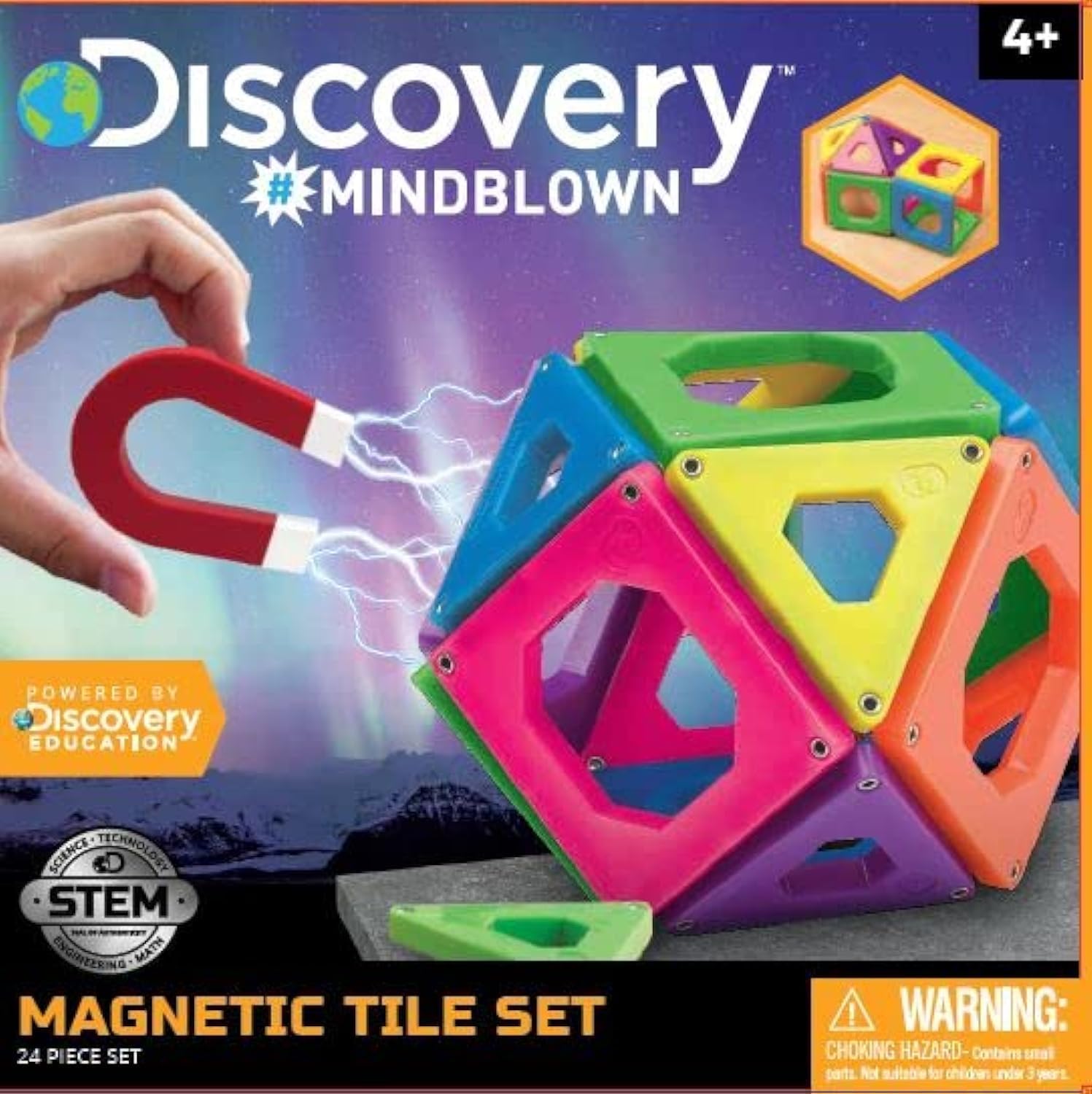
Discovery Mindblown STEM Magnetic Tiles

Age: 3 Year & Above

The Discovery Mindblown STEM Magnetic Tiles offer open-ended building opportunities, letting preschoolers create shapes, towers, and imaginative structures. As children design, test, and rebuild, they learn about balance, symmetry, spatial awareness, and cause-and-effect, all vital to advanced problem solving skills. The magnetic tiles encourage trial, error, creativity, and logical thinking, as kids figure out which combinations work and which don’t. This kind of open-ended play builds persistence, experimentation, and flexible thinking, traits that help children face more complex problems as they grow.

Conclusion

problem solving isn’t a skill that develops overnight; it grows slowly through play, curiosity, trial and error, and exploration. By giving preschoolers toys that challenge them to think, experiment, and discover, parents help build a strong foundation for logical thinking, creativity, and confidence. These early experiences of figuring things out, learning through mistakes, and celebrating small wins make a big difference as kids grow. At Play & Dream, we believe playful learning is the best way to nurture young minds. With thoughtfully chosen toys that encourage experimentation, coordination, and reasoning, preschoolers get to enjoy childhood while building skills that last a lifetime. Choosing the right problem solving toys for kids means giving children opportunities to think, explore, and grow, all through the simple joy of play.

FAQs

  1. What age group benefits most from problem solving toys? Preschoolers aged roughly 2–6 benefit significantly, though younger toddlers can begin with simpler cause-and-effect toys.
  2. How often should children play with these toys? Short, regular sessions (15–30 minutes a few times a week) are great; consistency matters more than length.
  3. Can these toys replace structured learning? They aren’t a replacement but a complement. These toys build thinking skills that help children later in academic learning.
  4. What should parents look for when picking problem solving toys? Toys that offer open-ended play, cause-and-effect feedback, building or sorting challenges, and opportunities for trial and error.
  5. Do kids need adult supervision while playing these toys? Younger preschoolers benefit from some supervision, both for safety and to guide them if they get frustrated. As they grow, they can explore more independently.