









Logo | Play and Dream Toys UAE

No products in the cart.

High Angle Kid Playing Memory Game | Play and Dream Toys UAE

Toys That Help Kids Develop Photographic Memory

Photographic memory is the ability to remember details, images, or patterns after seeing them briefly, is a valuable skill for young learners. Preschoolers and early school-age children benefit from activities that strengthen recall, attention, and observation. Using the right toys, parents can create engaging ways for kids to practice memory skills while having fun. Memory games for kids provide structured play that encourages focus, visual recognition, and critical thinking, all in an enjoyable setting. At Play & Dream, we understand that play is learning in disguise. Our carefully curated collection of memory toys for kids is designed to make every game both educational and fun. Whether your child enjoys matching games, card games, or hands-on interactive challenges, Play & Dream provides tools that support early cognitive development while keeping playtime exciting and meaningful.

Top Toys to Develop Photographic Memory

Memory skills are foundational for learning, problem-solving, and even social interaction. Children who regularly practice recalling patterns, cards, or sequences improve attention, concentration, and reasoning abilities. By turning memory-building into a playful activity, parents help children develop confidence in their own abilities while keeping them engaged for longer periods. The toys listed below are perfect examples of how play can boost photographic memory. Each product encourages children to observe carefully, think strategically, and remember key details, making learning feel like a game.
Top Picks: The Best Games for Kids

Ready to explore the most exciting water toys for kids? Here's a list of top picks that will make your summer unforgettable.

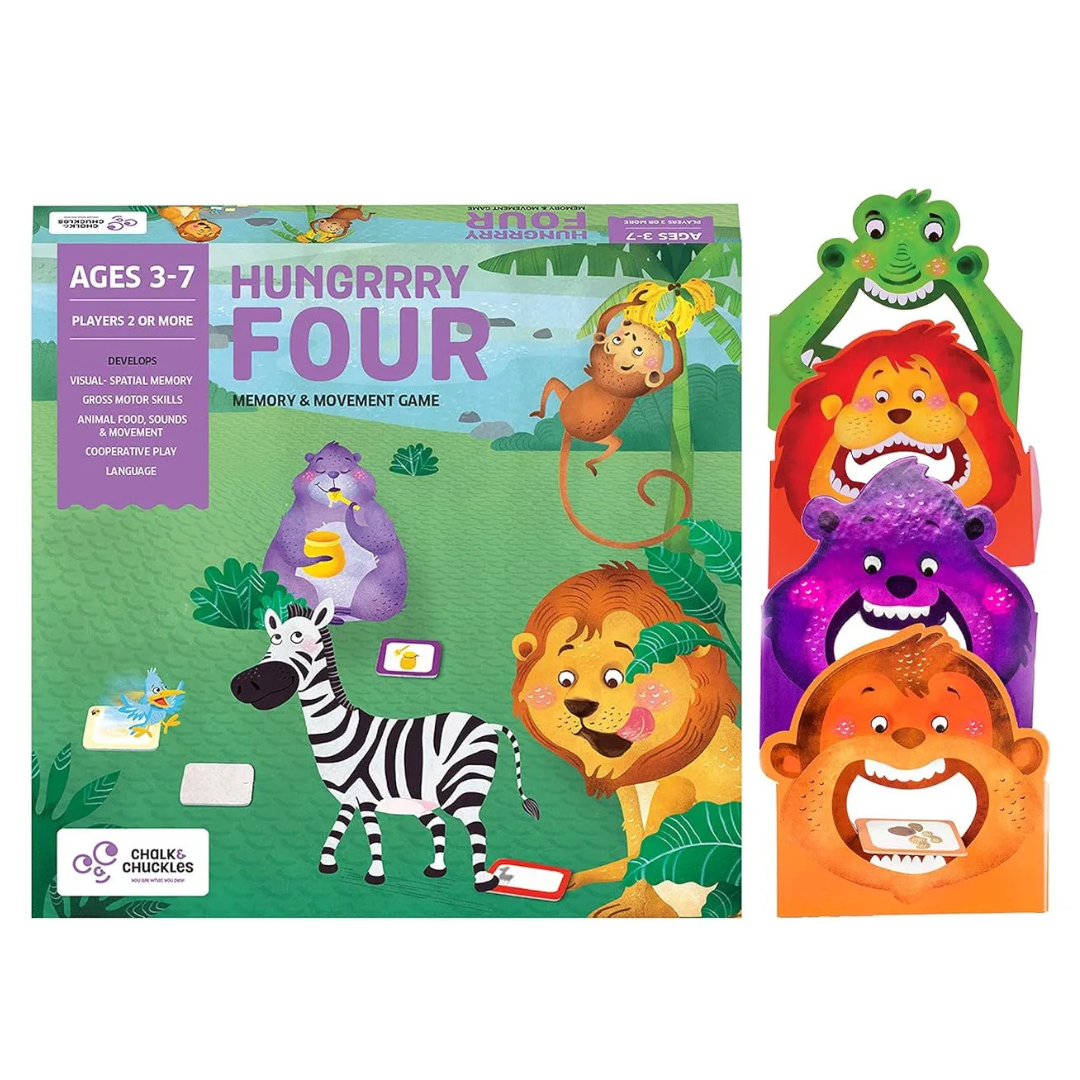
Chalk and Chuckles Hungrrrry Four, Multi Color

Age: 3 Year & Above

The Chalk & Chuckles Hungrrrry Four Multi-Color is a fast-paced board game that encourages children to spot patterns, match colors, and remember sequences. Players need to anticipate their opponent’s moves and quickly recall the arrangement of colored tokens, which strengthens memory and visual recognition. The colorful, vibrant design keeps children engaged, making it fun while teaching important recall skills. As one of the best memory games for kids, Hungrrrry Four challenges little minds and builds focus through repeated, playful practice.

LPDQskYVL. AC SL | Play and Dream Toys UAE
On Offer
Educa Lynx Go Arabia Card Game
39 AED 89 AED 56%
Buy Now
Educa Lynx Go Arabia Card Game

Age: 3 Year & Above

The Educa Lynx Go Arabia Card Game is a stimulating activity that combines strategy with memory recall. Kids must identify cards, remember their positions, and match symbols to win points, all while enhancing attention and observation skills. Its compact design makes it easy to play anywhere, encouraging repeated practice and friendly competition. Parents looking for card games for kids will find this game perfect for developing photographic memory and improving cognitive processing in a fun, interactive way.

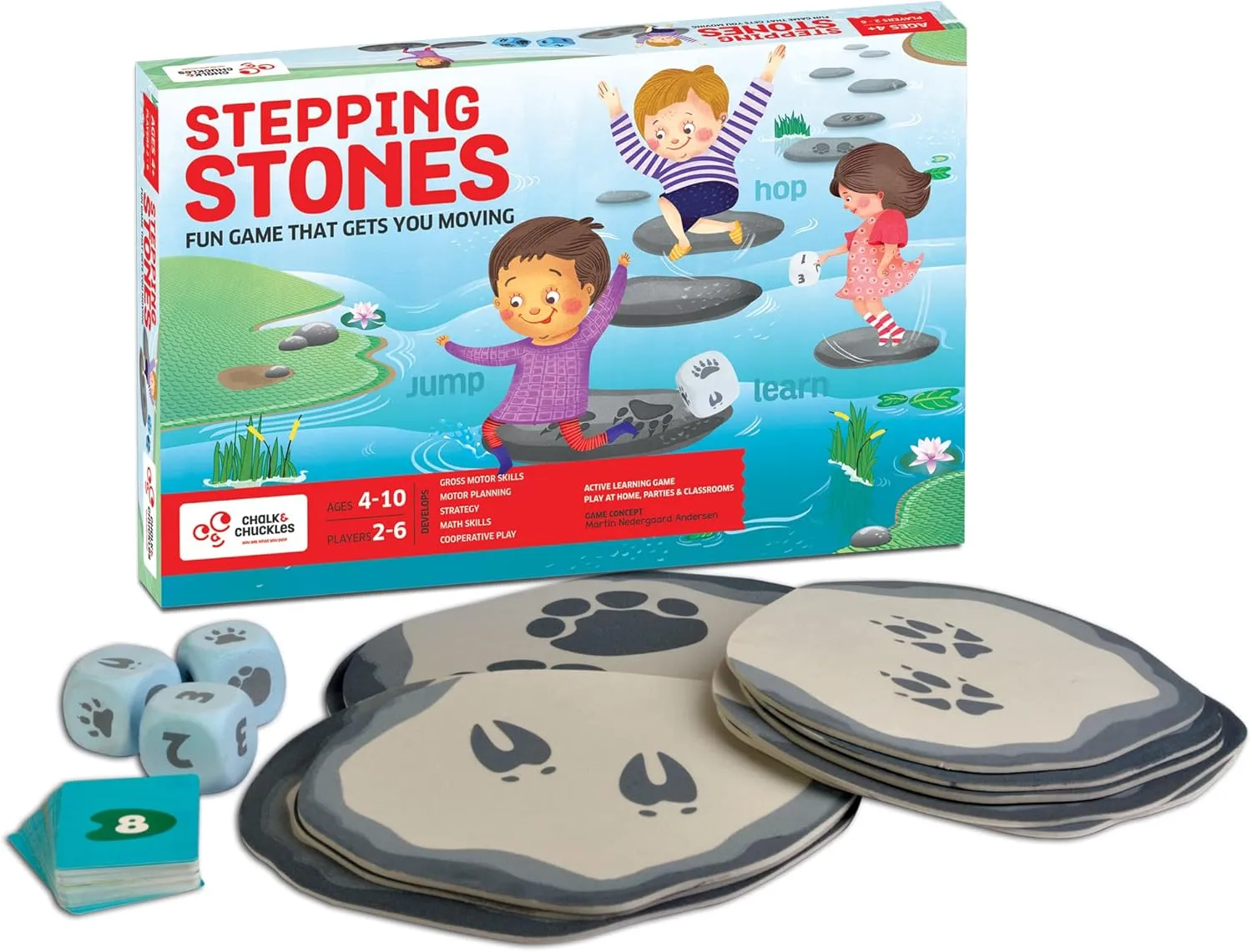
Chalk and Chuckles, Stepping Stones Game for Kids

Age: 3 Year & Above

The Chalk & Chuckles Stepping Stones is designed to build both physical coordination and memory skills. Kids need to remember sequences of colors or shapes as they step from one stone to another, combining movement with recall exercises. This multi-sensory approach strengthens focus, observation, and memory in a fun, active way. As a card toy for kids that also encourages strategy and thinking ahead, it’s ideal for engaging preschoolers in hands-on learning.

Chalk and Chuckles Critter Heights Memory Game

Age: 3 Year & Above

The Chalk & Chuckles Critter Heights Memory Game is a fun and engaging way for children to boost their photographic memory. Kids flip cards to find matching pairs, challenging their recall, attention, and observation skills with every turn. The colorful critter illustrations make the game visually appealing and keep children motivated to play repeatedly. By remembering the positions of cards, children strengthen their visual memory and focus. This makes the Critter Heights Memory Game one of the best memory games for kids. It also encourages friendly competition and helps develop strategic thinking while providing a playful learning experience. Parents love that it combines fun with skill-building in a hands-on, interactive way.

Conclusion

Developing photographic memory in children doesn’t need to feel like a chore. The right combination of board games, card games, and interactive challenges encourages kids to observe, remember, and make decisions while having fun. These playful activities not only boost memory but also improve focus, concentration, and confidence in their abilities. At Play & Dream, we make it easy for parents to find toys that promote learning through play. Our collection of memory toys for kids ensures that children can practice essential cognitive skills in an enjoyable, engaging way. Whether it’s matching games, strategic card games, or interactive movement activities, these toys turn playtime into valuable opportunities for growth.

FAQs

  1. What age group benefits most from memory toys? Memory games and matching activities are ideal for preschoolers and early school-age children, generally ages 3–7, as these years are critical for developing attention and recall.
  2. How do memory games improve photographic memory? By encouraging children to notice, remember, and recall details such as colors, shapes, and card positions, these games strengthen visual and short-term memory in a playful setting.
  3. Can memory toys be played alone or do they require supervision? Many memory toys can be played independently, but younger children may benefit from parent guidance to help with rules and encourage repeated practice.
  4. Are card games suitable for improving focus? Yes. Card games require attention, memory recall, and pattern recognition, which all contribute to improved focus and concentration.
  5. How often should children play memory games for best results? Short daily sessions of 15–20 minutes are ideal. Consistent practice helps children strengthen memory without feeling pressured or overwhelmed.
  6. Can memory games support school readiness? Absolutely. By improving concentration, recall, and problem-solving, memory games help prepare children for classroom learning and academic tasks.