







Logo | Play and Dream Toys UAE

No products in the cart.

Baccah | Play and Dream Toys UAE

Toys That Improve Pronunciation

Clear pronunciation develops gradually as young children learn to listen carefully, repeat sounds, and practise forming words through everyday interaction. During the early years, children experiment with sounds, rhythm, and tone while building confidence in speaking aloud. Choosing the right pronunciation toys for kids helps make this learning process enjoyable and stress-free. Toys that encourage repetition, music, and interactive responses support cAt Play & Dream, we understand how important communication skills are for a child’s overall learer speech while keeping children engaged through play rather than formal learning. development. That’s why we carefully curate talking toys for children that support pronunciation, vocabulary growth, and sound recognition in a playful way. As a trusted toy store in the UAE, we focus on toys that blend fun with learning, helping children practise speech naturally while enjoying interactive and imaginative play experiences.

How Toys Help Improve Pronunciation

Pronunciation improves when children hear sounds clearly and are encouraged to repeat them in different contexts. Interactive toys that use music, spoken words, and sound effects help children recognise correct pronunciation and practise speaking aloud. Musical instruments with microphones, sound-based toys, and responsive playsets allow children to explore language confidently. The following speech therapy toys are designed to support sound clarity while keeping playtime lively and engaging.
Top Picks: The Best Games for Kids

Ready to explore the most exciting water toys for kids? Here's a list of top picks that will make your summer unforgettable.

Leapfrog Alphapup | Play and Dream Toys UAE
On Offer
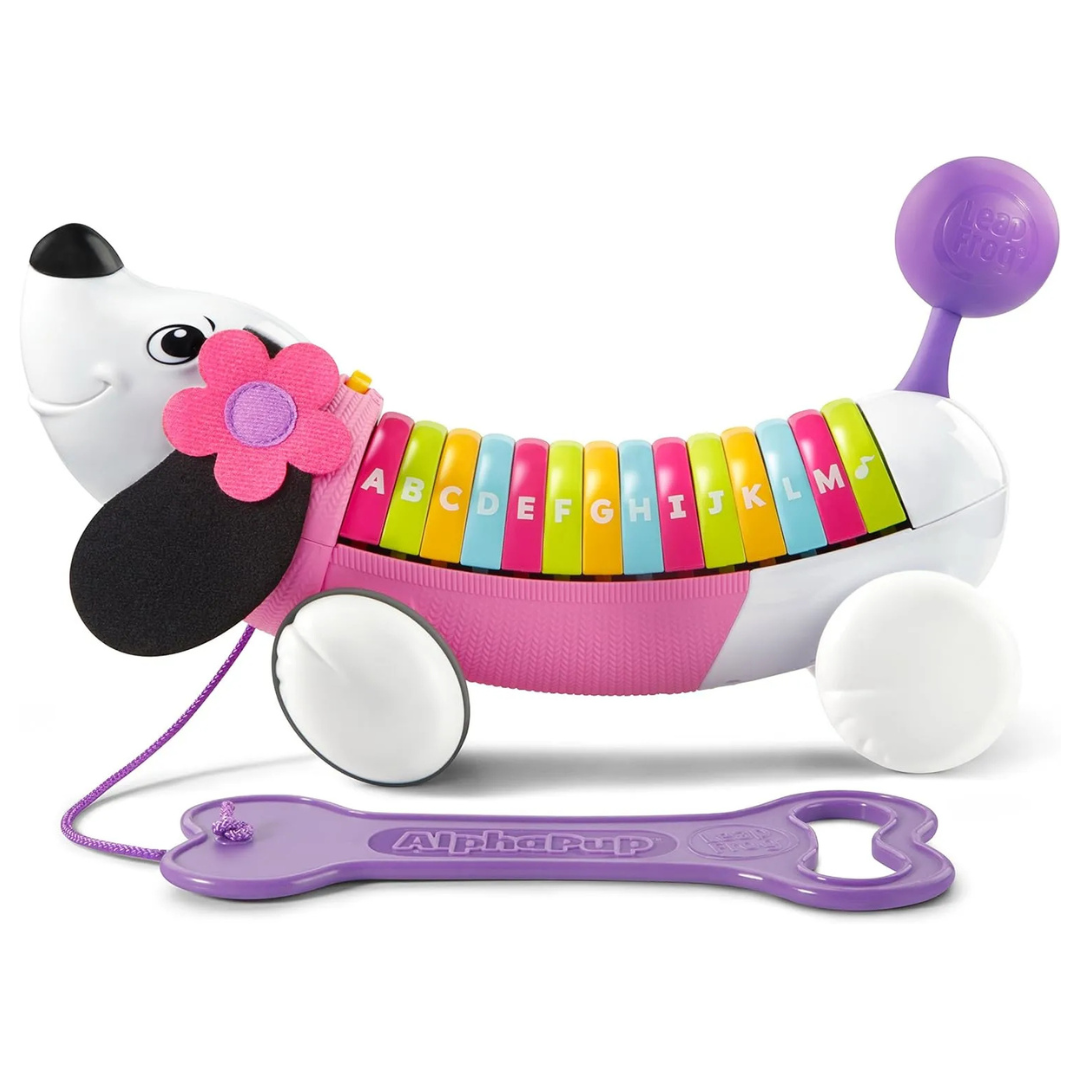
Leapfrog Alphapup Educational Toy - Pink

Age: 1-3 Years

The LeapFrog AlphaPup Educational Toy is an excellent example of educational pronunciation toys that introduce children to letters and sounds in a playful way. As children pull the pup along, it responds with letter names and phonetic sounds, encouraging repetition and listening skills. This interaction helps children associate sounds with letters, supporting clearer pronunciation. The friendly design keeps children engaged while building confidence in speaking and sound recognition.

Dickie Toys BEAT HERO TOY CAR with DJ desk and 22 sounds

Age: 3 Year & Above

The Dickie Toys Toy Car with DJ Desk supports pronunciation through sound learning toys that combine rhythm and speech. The variety of sounds, beats, and voice effects encourages children to listen carefully and imitate sounds. Musical play helps improve timing, articulation, and vocal confidence. This toy makes practising sounds exciting, helping children explore speech through creative and energetic play.

LEXIBOOK Paw Patrol Electronic Keyboard, 32-Keys Piano, Microphone

Age: 3 Year & Above

The Lexibook Paw Patrol Electronic Keyboard with Microphone is ideal for interactive speaking toys that encourage children to speak and sing aloud. The microphone allows children to hear their own voice clearly, helping them practise pronunciation and volume control. Singing along to music supports clarity and rhythm in speech. Featuring familiar Paw Patrol characters, this keyboard motivates children to engage confidently in vocal play.

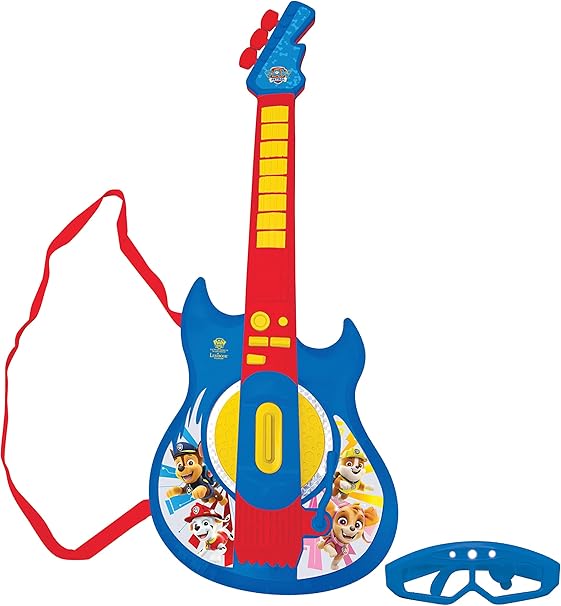
Lexibook Paw Patrol Electronic Light-up Guitar with Microphone in the Shape of Glasses

Age: 3 Year & Above

The Lexibook Paw Patrol Light-Up Guitar with Microphone is a fun way to introduce speech improvement toys for toddlers through music and performance play. Children enjoy pretending to perform while speaking or singing into the microphone. This helps them practise clear word formation and sound repetition in a relaxed environment. Musical role play also builds confidence, encouraging children to express themselves more clearly and enthusiastically.

FnipiqL. AC SL | Play and Dream Toys UAE
On Offer
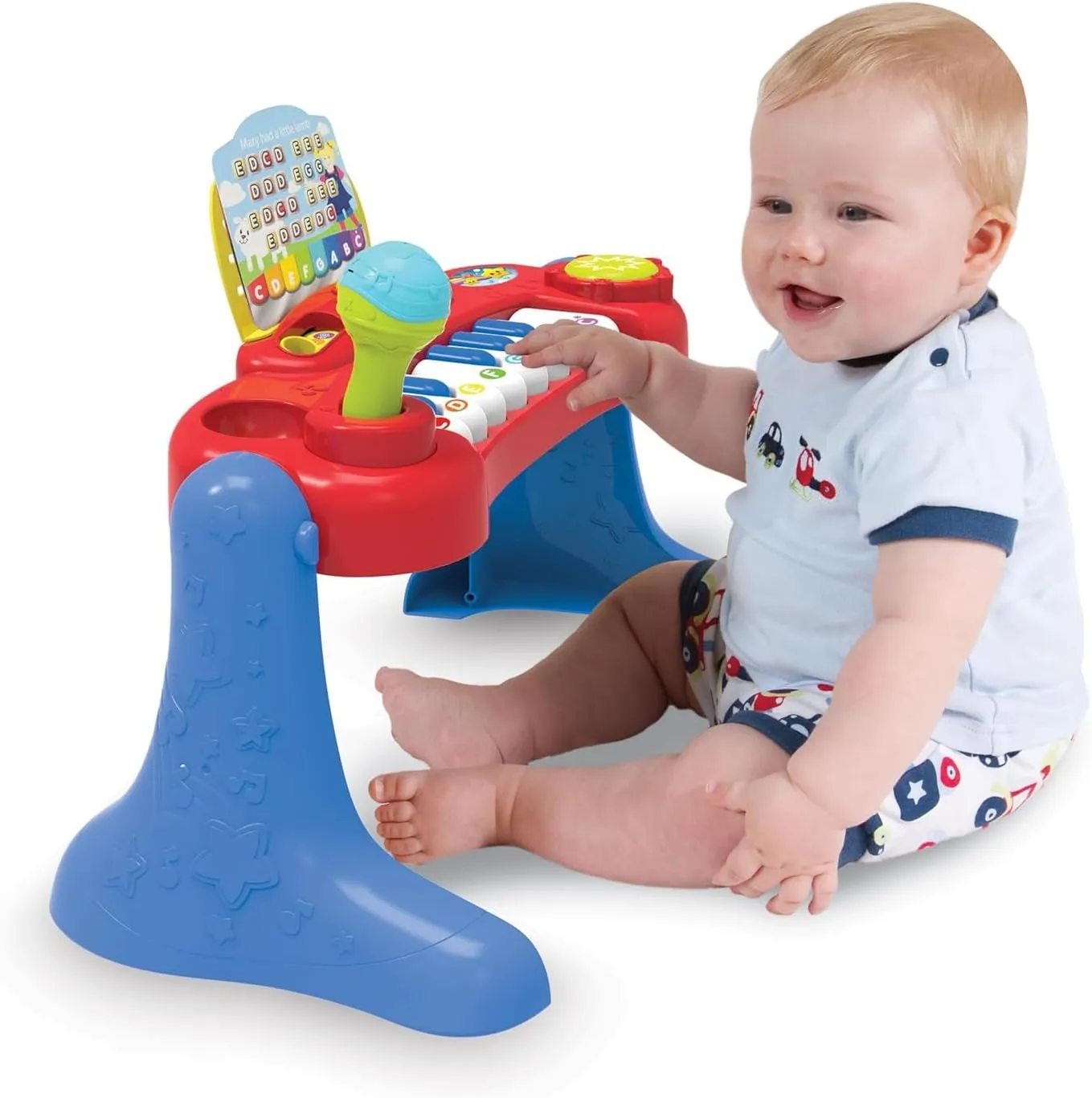
Winfun Baby Music Center Interactive Toy

Age: 1-3 Years, 3-5 Years

The Winfun Baby Music Center Interactive Toy supports early pronunciation through vocabulary-building toys that combine music, sounds, and interactive buttons. Children are encouraged to listen, respond, and vocalise along with melodies and sound prompts. Music-based repetition strengthens sound recognition and articulation. This toy is especially helpful for younger toddlers who are beginning to explore sounds and simple words through play.

Conclusion

Pronunciation develops best when children feel confident, relaxed, and encouraged to speak freely. Toys that combine sound, music, and interaction create opportunities for children to listen, repeat, and practise clear speech without pressure. From musical instruments to phonetic learning toys, these play experiences help children refine pronunciation while enjoying every moment of play. Choosing the right interactive speaking toys can make a meaningful difference in early communication skills. At Play & Dream, we offer a thoughtful range of speech therapy toys designed to support clear pronunciation and confident speech. Our goal is to help children enjoy learning through sound, music, and interaction while giving parents trusted options that support healthy language development. With the right toys, children can build strong speech foundations through fun and engaging play.

FAQs

  1. What are pronunciation toys?

    Pronunciation toys help children practise clear speech through sound, music, and interactive play.
  2. At what age can pronunciation toys be introduced?

    Many pronunciation toys are suitable from toddler age, depending on the toy’s features and complexity.
  3. How do musical toys help with pronunciation?

    Music supports rhythm, sound clarity, and repetition, which are essential for clear speech.
  4. Are talking toys helpful for speech development?

    Yes, they encourage listening, imitation, and active verbal participation.
  5. Can these toys replace speech therapy?

    They support speech development but do not replace professional speech therapy if needed.
  6. How can parents support pronunciation during play?

    Parents can repeat words clearly, encourage imitation, and engage in conversation during playtime.