






Logo | Play and Dream Toys UAE

No products in the cart.

Erer | Play and Dream Toys UAE

Toys That Teach Letter Recognition

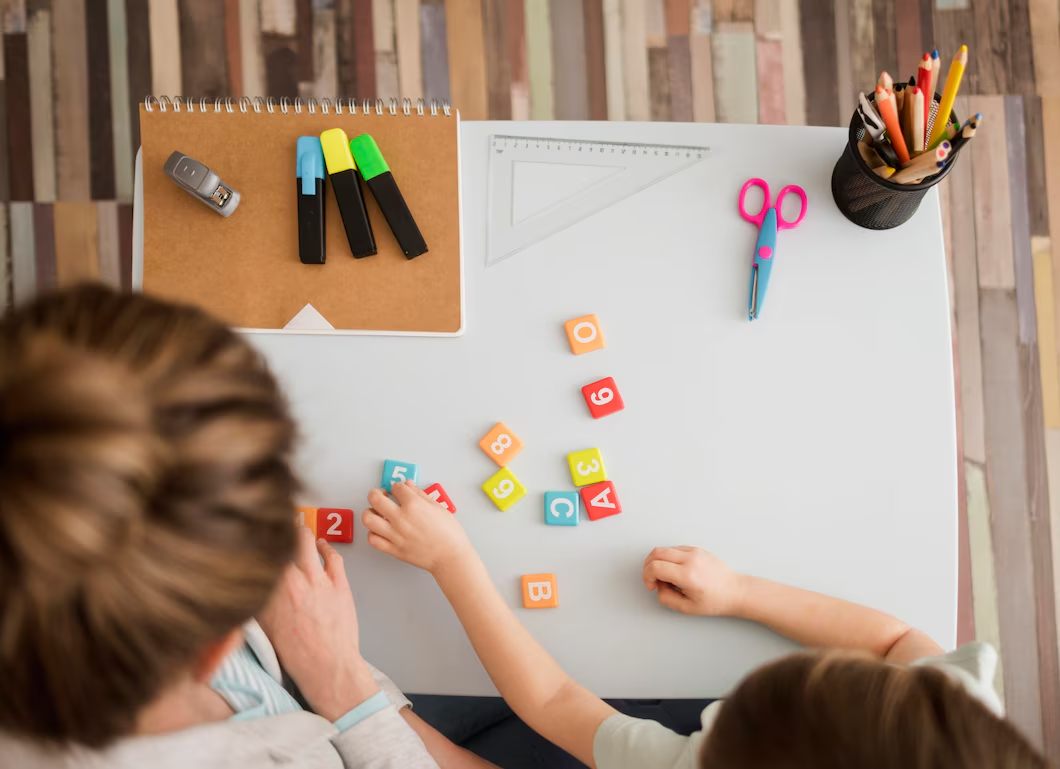
Learning to recognise letters is one of the first major steps in a child’s literacy journey. When children become familiar with the shapes, sounds, and names of letters, they lay the groundwork for reading, spelling, and confident communication. Letter recognition toys make this foundational skill fun and interactive, allowing children to explore the alphabet at their own pace through play rather than drills. By combining visual cues, hands-on interaction, and playful challenges, these toys keep children curious and engaged while building essential reading readiness. At Play & Dream, we believe in making early learning both meaningful and enjoyable. That’s why we offer a wide selection of alphabet learning toys designed to help young learners discover letters with confidence. As a trusted toy store in the UAE, our collection focuses on age-appropriate, educational tools that support early literacy through exploration, interaction, and imaginative play. With the right letter-focused toys, children can grow their language skills while having fun alongside family and friends.

How Toys Support Letter Learning

Children learn best when they are actively involved in their play. Toys that allow kids to touch, see, hear, and manipulate letters help reinforce recognition and recall. Interactive features, puzzles, and playful challenges encourage repetition, an important part of learning, without making it feel like work. The following toys that teach letters are designed to support early literacy by nurturing recognition through hands-on engagement and joyful exploration.
Top Picks: The Best Games for Kids

Ready to explore the most exciting water toys for kids? Here's a list of top picks that will make your summer unforgettable.

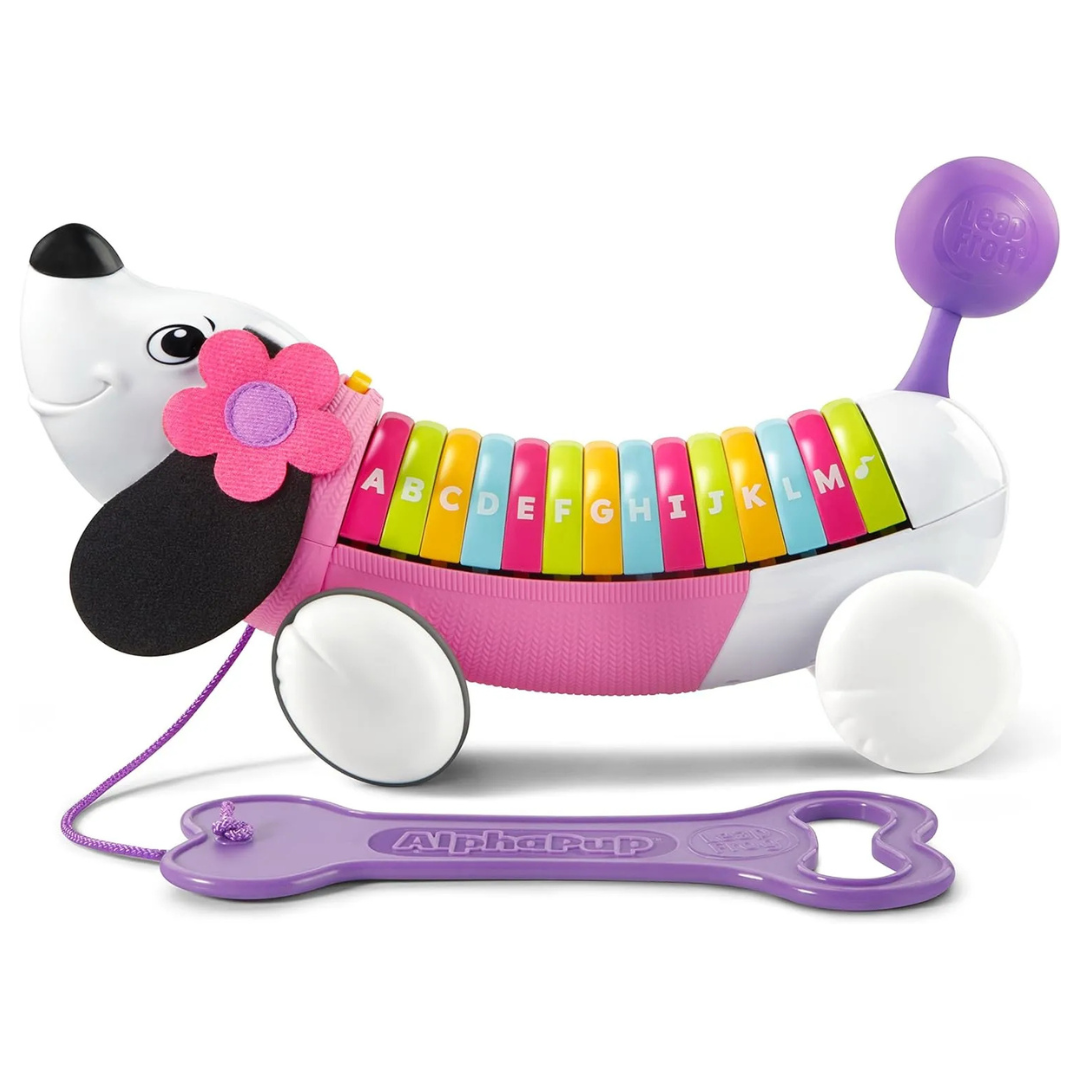
Leapfrog Alphapup | Play and Dream Toys UAE
On Offer
Leapfrog Alphapup Educational Toy - Pink

Age: 1-3 Years

The LeapFrog AlphaPup Educational Toy is one of our favourite letter learning toys for kids. As children pull the friendly pup along, it responds with letter sounds and names, helping them associate symbols with phonetic sounds. This playful interaction reinforces letter recognition while encouraging children to listen and respond. Its design supports early literacy by making letter learning a dynamic and joyful experience.

Magnetic Puzzle Learning Educational Toys for Kids Alphabet

Age: 3 Year & Above

The Magnetic Puzzle Learning Alphabet Toy is an excellent educational alphabet toy that invites children to piece together letters like a puzzle. The tactile nature of placing magnetic letters encourages fine motor skills as well as visual recognition. Children can explore letter shapes repeatedly while creating simple words or patterns. This hands-on play supports memory and understanding in a fun, low-pressure way.

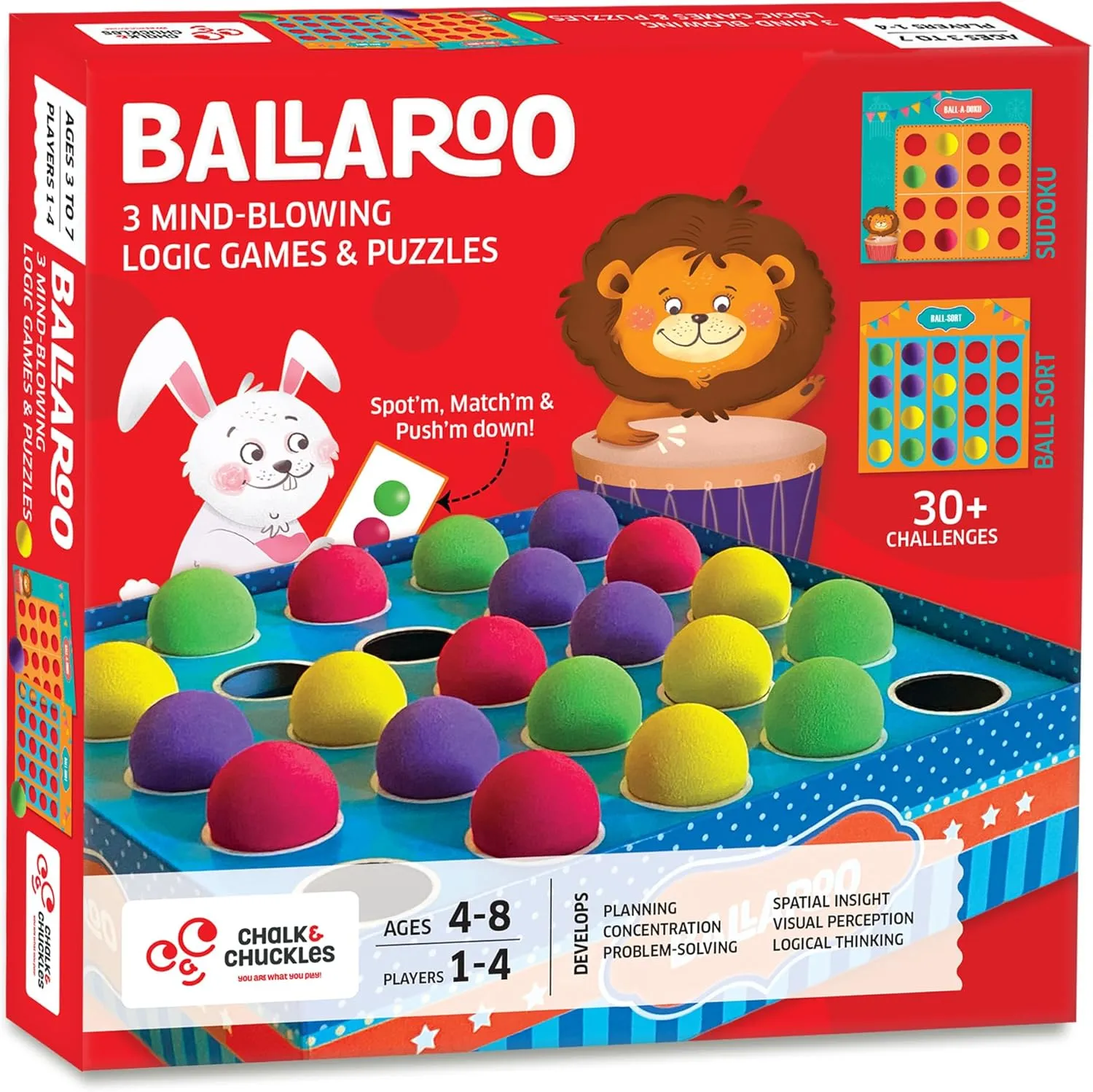
Chalk and Chuckles Chalk & Chuckles Ballaroo 3-In-1 Brain Games For Kids

Age: 3 Year & Above

The Chalk and Chuckles Ballaroo 3-in-1 Brain Games for Kids is a multi-purpose toy that supports alphabet learning toys through interactive play. Featuring letter games that involve matching, grouping, and categorisation, children are encouraged to engage with letters in creative ways. This toy invites problem solving and repetition, helping young learners recognise and remember letters while they have fun playing independently or with family.

ToyKraftt The Opposites Train - 80 Jigsaw Pieces

Age: 4 years & Above

The Toykraftt The Opposites Train – 80 Jigsaw Pieces helps kids learn letters as part of a broader letter recognition toys experience. As children fit together train cars with letters and opposite concepts, they practise matching shapes and associating letters with related ideas. This activity supports cognitive connections between visual recognition and vocabulary, making early literacy more meaningful and immersive.

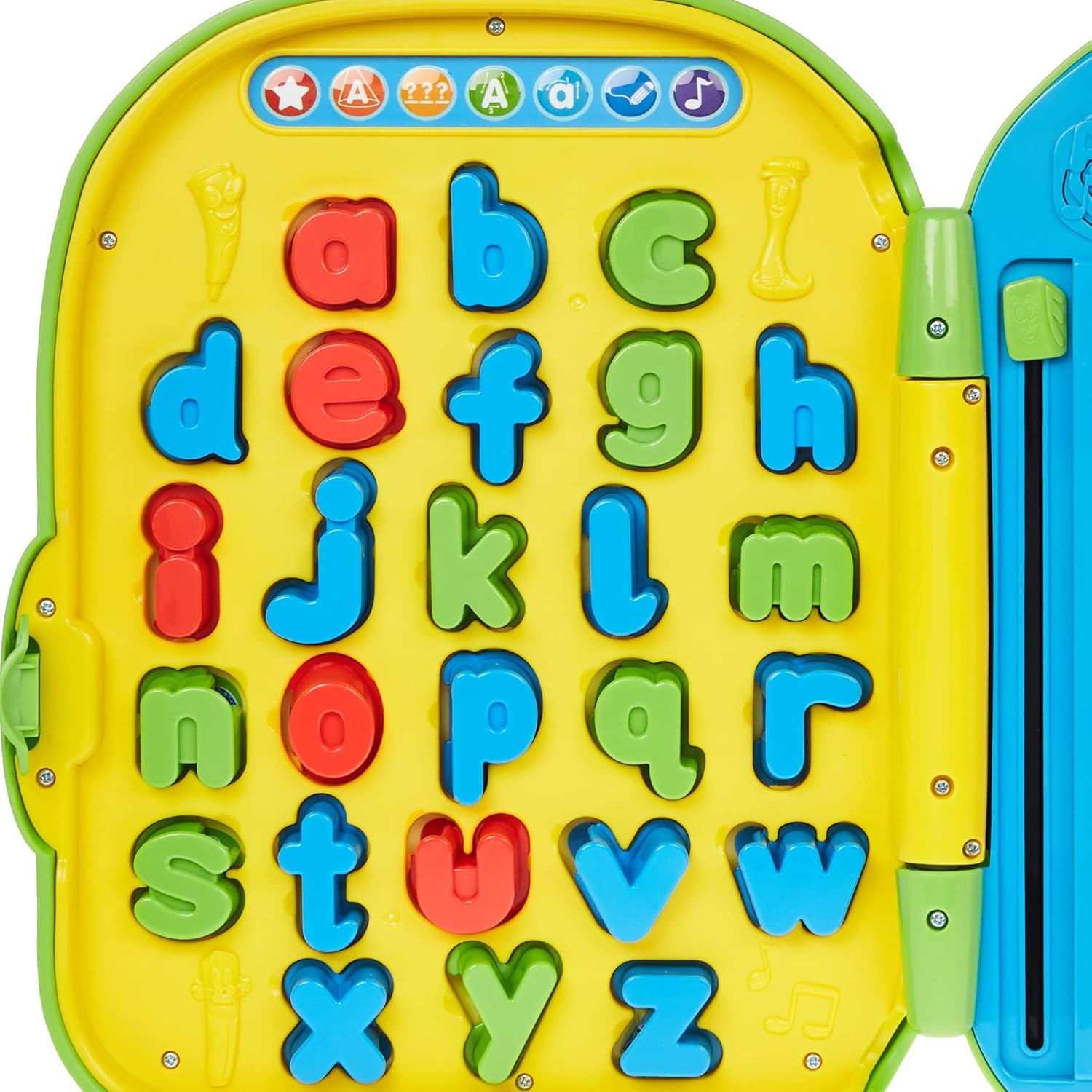
Mr Pencil's Alphabet Backpack Interactive Learning Toy

Age: 3 Year & Above

The Mr. Pencils Alphabet Backpack Interactive Learning Toy is another engaging option among letter learning toys for kids. Children interact with letters and sounds through playful prompts, helping them connect written symbols with auditory cues. The interactive format encourages exploration and reinforces memory, making it easier for young learners to remember and recognise letters. This toy turns playtime into a fun learning opportunity for early literacy.

Conclusion

Letter recognition is a foundational milestone that sets the stage for early reading and confident communication. Children learn best when they feel curious and motivated, and the right toys can spark both. By introducing letters through play, interaction, and hands-on challenges, children develop strong literacy skills while enjoying playful exploration. Choosing the right alphabet learning toys helps children build familiarity with letters in ways that feel natural and joyful. At Play & Dream, we are committed to offering thoughtfully selected educational alphabet toys that support early literacy development. Our collection helps children engage with letters through fun and purposeful play. With the right toys, children can confidently take their first steps toward reading and language mastery.

FAQs

  1. Why is letter recognition important?

    Letter recognition helps children understand symbols and sounds, which builds the foundation for reading and writing.
  2. At what age should letter recognition toys be introduced?

    Many letter recognition toys are suitable from toddler age, with more advanced options for preschoolers.
  3. How do interactive alphabet toys help learning?

    Interactive features like sounds and prompts reinforce memory and make learning more engaging.
  4. Can puzzles support letter learning?

    Yes, puzzles improve visual recognition and problem-solving while reinforcing letter familiarity.
  5. Are letter recognition toys useful for school readiness?

    Absolutely, they help children prepare for reading and classroom literacy activities.
  6. How can parents support letter learning?

    Parents can talk about letters during play, read aloud together, and encourage repeated exploration.