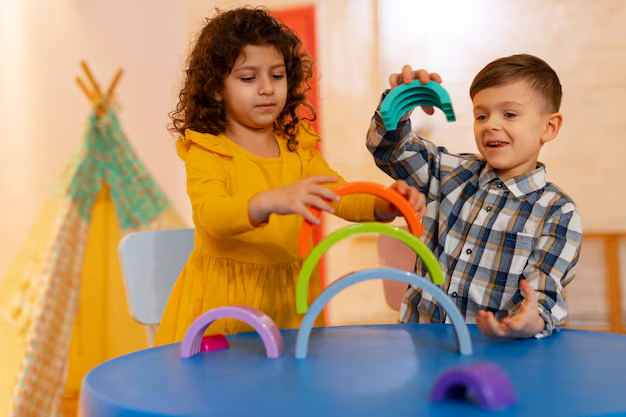
Learning to read is one of the most important milestones in a child’s early development, but it requires more than just recognizing letters and words. A crucial yet often overlooked skill that supports reading is visual tracking, the ability to follow objects with the eyes in a smooth, controlled way. Children who struggle with visual tracking may have difficulty keeping their place while reading, tracking lines of text, or scanning pages efficiently. Using visual tracking toys can make this skill fun and engaging while laying a strong foundation for early literacy.
At Play & Dream, we understand that children learn best when play and learning go hand in hand. Incorporating toys and activities that develop eye coordination and tracking skills can significantly impact reading fluency, comprehension, and overall confidence in early learning.
What is Visual Tracking and Why It Matters for Reading
Visual tracking is the skill that allows children to smoothly follow moving objects with their eyes or track words and sentences while reading. This skill develops gradually in early childhood and plays a key role in learning to read. Without strong visual tracking abilities, children may skip words, lose their place on the page, or struggle with comprehension.
Engaging children with visual tracking toys, such as moving objects, interactive games, or pattern-following activities, helps them practice playfully controlling eye movements. Play & Dream emphasizes these skills because when children can track effectively, they build confidence in reading and gain the attention span needed for classroom learning.
How Visual Tracking Toys Support Reading Skills
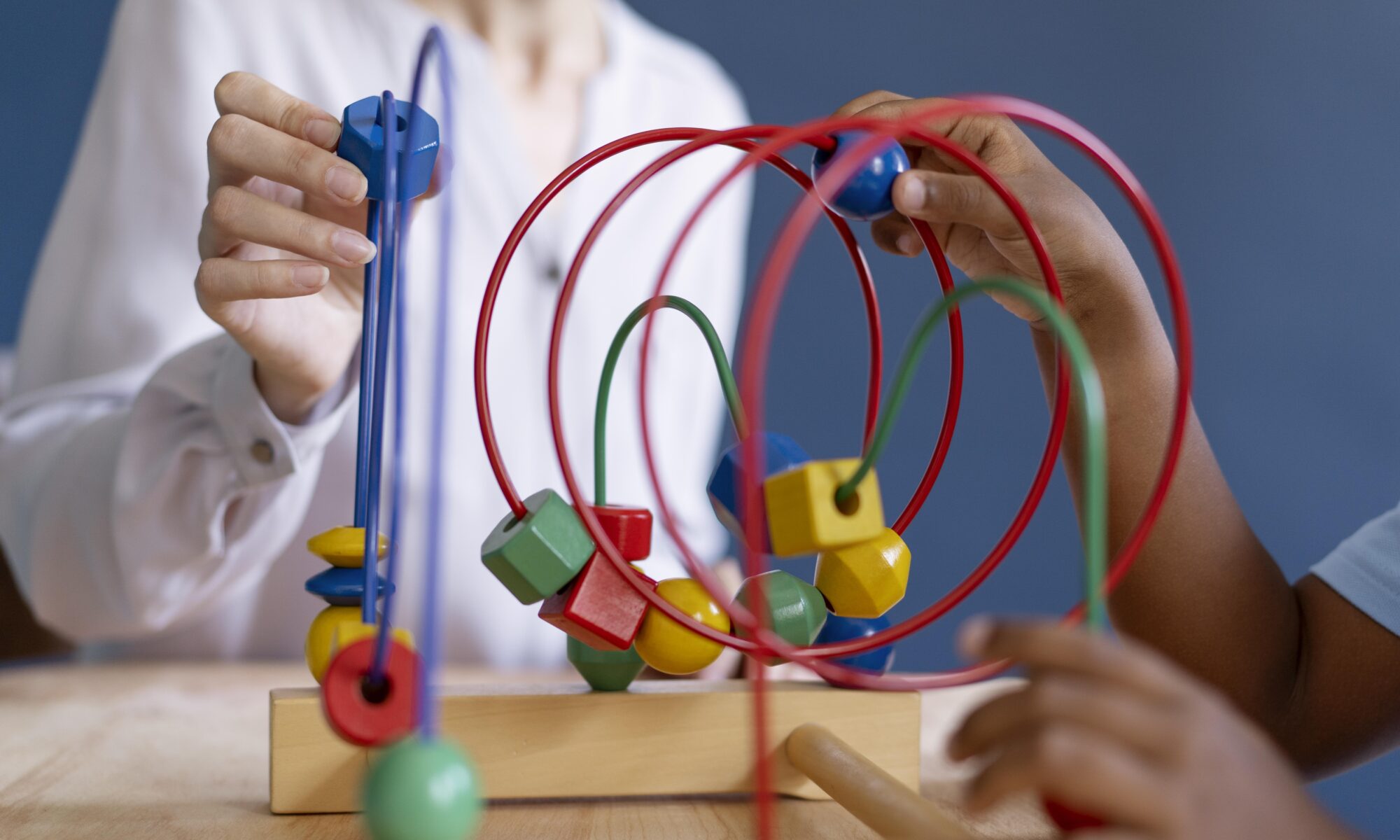
Visual tracking toys help children strengthen eye coordination, attention, and hand-eye integration, all of which are critical for reading. Activities like following moving objects, connecting dots, or tracing shapes encourage children to move their eyes in controlled patterns, which mirrors the eye movement needed for reading lines of text.
By practicing these skills through play, children develop smoother saccades (quick eye movements from word to word) and better fixation (holding eyes steadily on letters or words). Consistent practice improves reading skills for children, helping them read more efficiently, understand text better, and reduce fatigue during reading sessions. Play & Dream encourages parents to incorporate these playful exercises into everyday routines to strengthen early literacy.
Other Benefits of Visual Tracking Toys
Beyond supporting reading, visual tracking activities improve attention, memory, and spatial awareness. When children follow patterns, move objects, or play interactive games, they also develop focus, hand-eye coordination, and problem-solving abilities. These foundational skills are beneficial not just for reading but for overall cognitive development.
Parents can use visual tracking toys in various ways, from interactive games and puzzles to playful exercises that combine movement and sight. Play & Dream highlights these activities as a fun, accessible way for families to support learning at home while keeping playtime engaging and educational.
Tips for Using Visual Tracking Toys Effectively
- Short, frequent sessions: 10–15 minutes daily is better than longer, tiring sessions.
- Start simple: Use easy-to-follow patterns or slow-moving objects before advancing to more complex exercises.
- Combine movement and sight: Encourage children to reach, trace, or catch as they follow objects with their eyes.
- Positive reinforcement: Celebrate small successes to build motivation and confidence.
- Integrate into everyday activities: Walking, drawing, or following toys around the room can also help strengthen visual tracking.
Using these strategies, reading skills for children can improve naturally while keeping play fun and interactive. Play & Dream supports parents by suggesting practical ways to integrate visual tracking exercises into daily routines.






























 OFFERS